
Understanding the Role of Material Waste in Demolition Projects
Demolition projects play a significant role in urban development. However, they also come with environmental concerns. One major issue is the waste generated from materials like concrete. This waste can have detrimental effects on the environment if not managed properly. In this article, we’ll explore the environmental impact of removing such materials during demolition and discuss strategies for minimizing harm.
Environmental Concerns Related to Waste Disposal
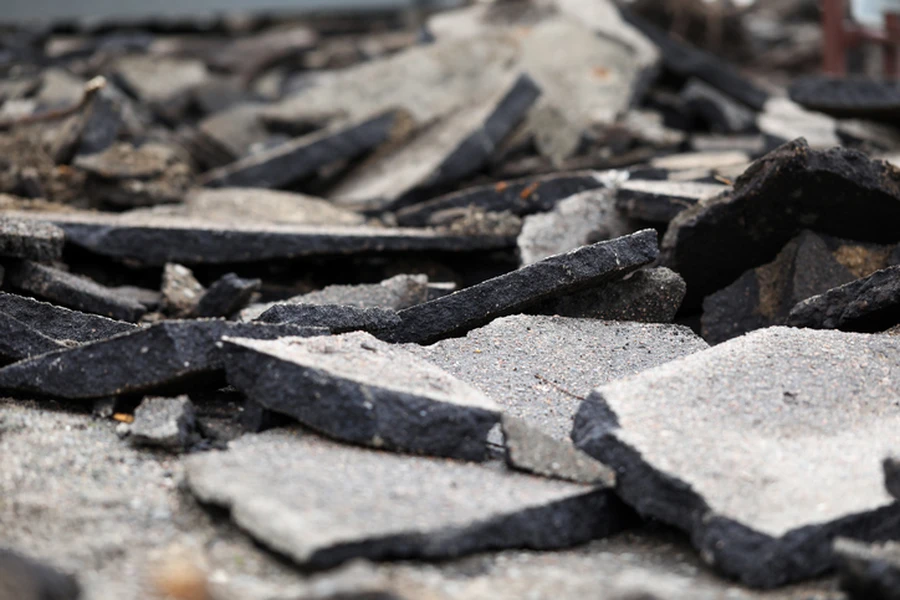
The disposal of construction waste is a significant concern. When concrete is removed, it often ends up in landfills, contributing to pollution. The process of concrete removal involves breaking down large structures into smaller pieces. This increases the volume of waste that must be managed responsibly. Improper disposal can lead to soil contamination and adverse effects on local ecosystems.
Pollution Risks During Material Handling
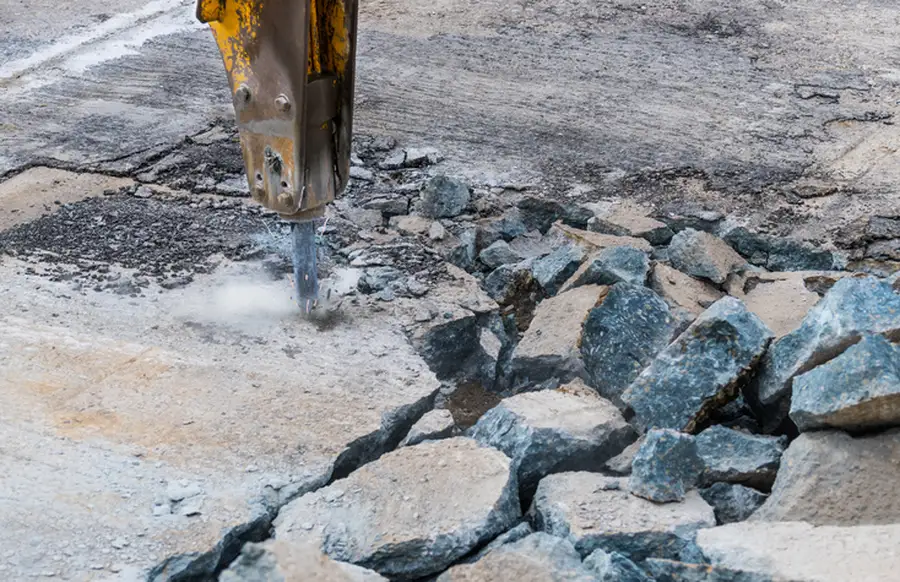
Handling and transporting concrete after removal can lead to pollution. Dust and debris from broken-down concrete contribute to air quality issues. Additionally, diesel trucks used in transporting these materials emit greenhouse gases. These emissions worsen air pollution, impacting both human health and climate change.
Sustainable Approaches to Managing Construction Debris
Adopting sustainable practices in demolition is crucial for reducing environmental impact. Recycling is a key strategy for managing concrete waste. By repurposing old concrete, we can reduce the need for new materials, thus conserving natural resources. Moreover, recycling minimizes landfill use, helping mitigate the negative consequences of material accumulation.
Innovative Techniques in Reusing Demolished Materials
Innovation plays a vital role in sustainability efforts within demolition work. New techniques are emerging to transform reused concrete into valuable products. For example, crushed concrete can serve as an aggregate in new construction projects. Employing such methods reduces the demand for raw materials and supports circular economy principles.
The Economic Benefits of Recycling Efforts
Recycling demolished materials isn’t just environmentally beneficial; it’s economically wise too. It lowers costs associated with purchasing virgin materials. Furthermore, businesses engaged in eco-friendly practices may find enhanced reputations and increased customer loyalty. As regulations tighten, embracing sustainable methods could also help avoid potential fines or legal issues.
Challenges Faced in Implementing Green Demolition Practices
Despite their benefits, green demolition practices face challenges. High initial costs deter some companies from adopting them. There’s also a lack of awareness about available technologies and methods among stakeholders. Overcoming these obstacles requires collaboration between industry professionals, regulators, and communities to promote best practices.
- Reduce initial setup costs through government incentives
- Educate stakeholders on long-term savings and benefits
- Foster partnerships that facilitate resource sharing
The Importance of Regulatory Compliance
Compliance with environmental regulations is crucial in demolition activities. Regulations ensure that construction waste management adheres to standards that protect ecosystems. Meeting these standards requires understanding local policies and implementing compliant procedures throughout all stages of demolition.
Final Thoughts on Making Eco-Friendly Choices
Incorporating eco-friendly choices in demolition projects benefits both the environment and your business’s reputation. By investing in sustainable practices, you contribute positively towards reducing waste and pollution while improving operational efficiency. Contact Bobcat Bros Demolition Services at (602) 910-7798 to learn more about our services in Glendale, AZ. Together, we can foster a healthier planet while achieving your project goals efficiently.